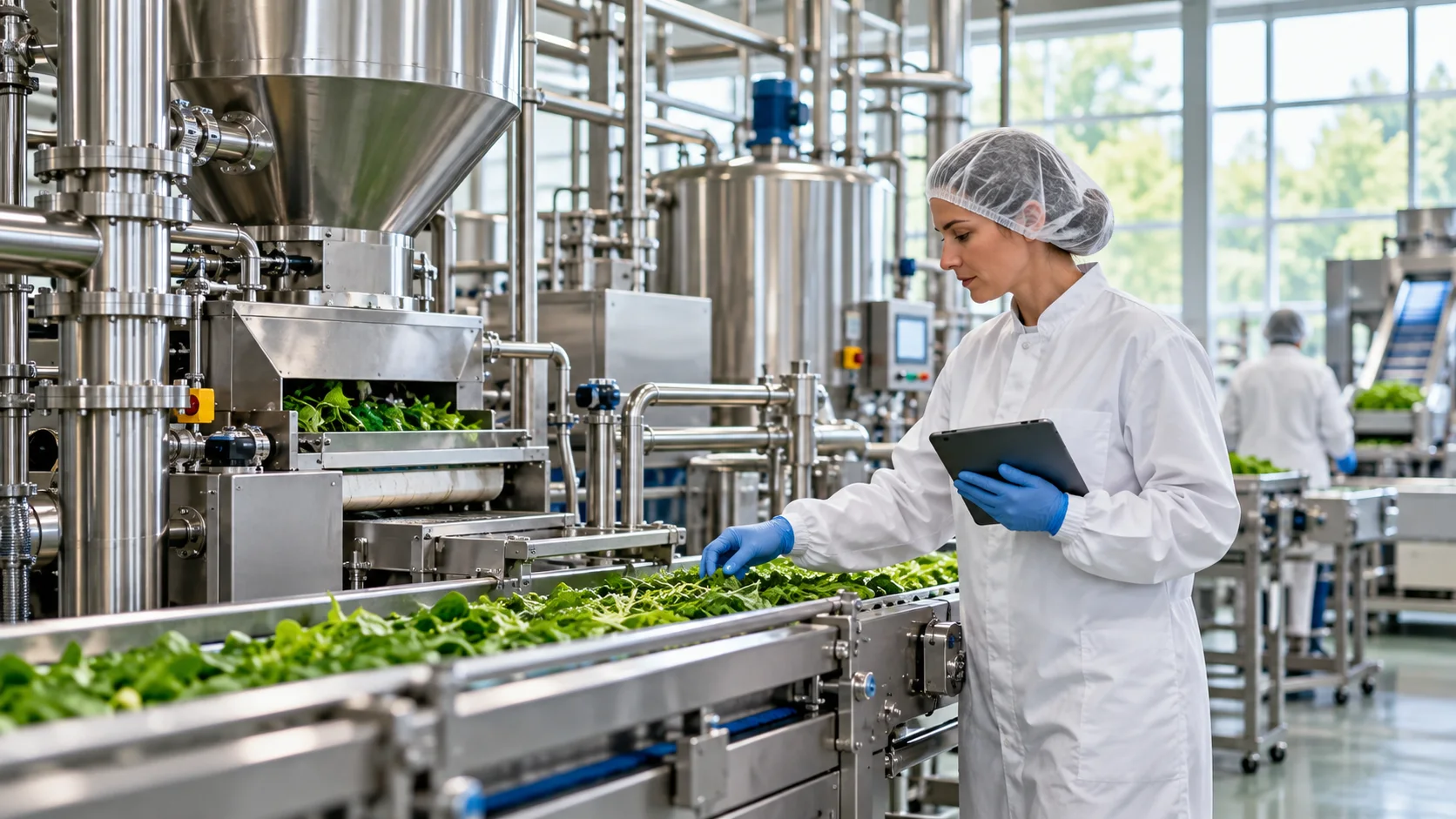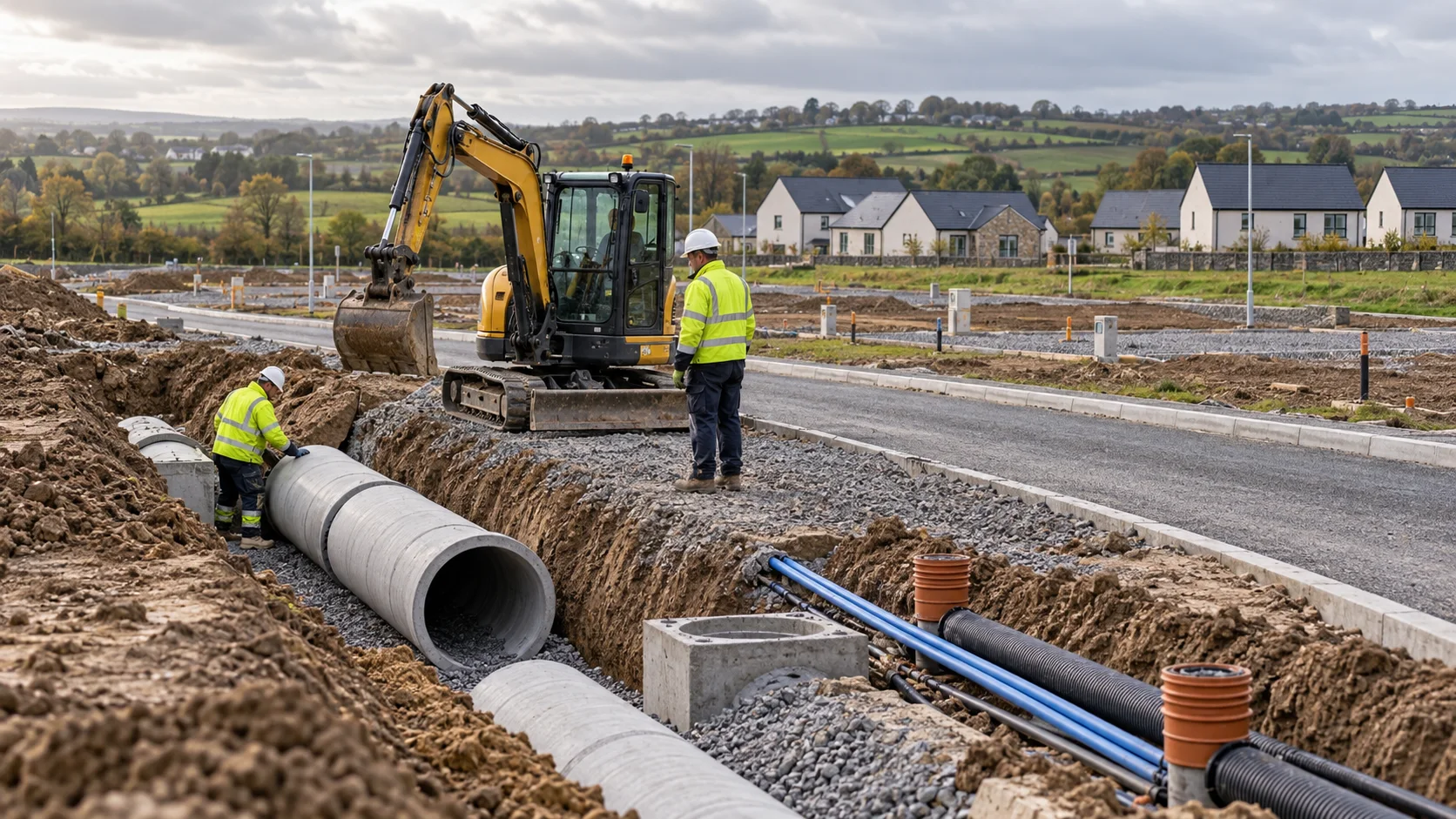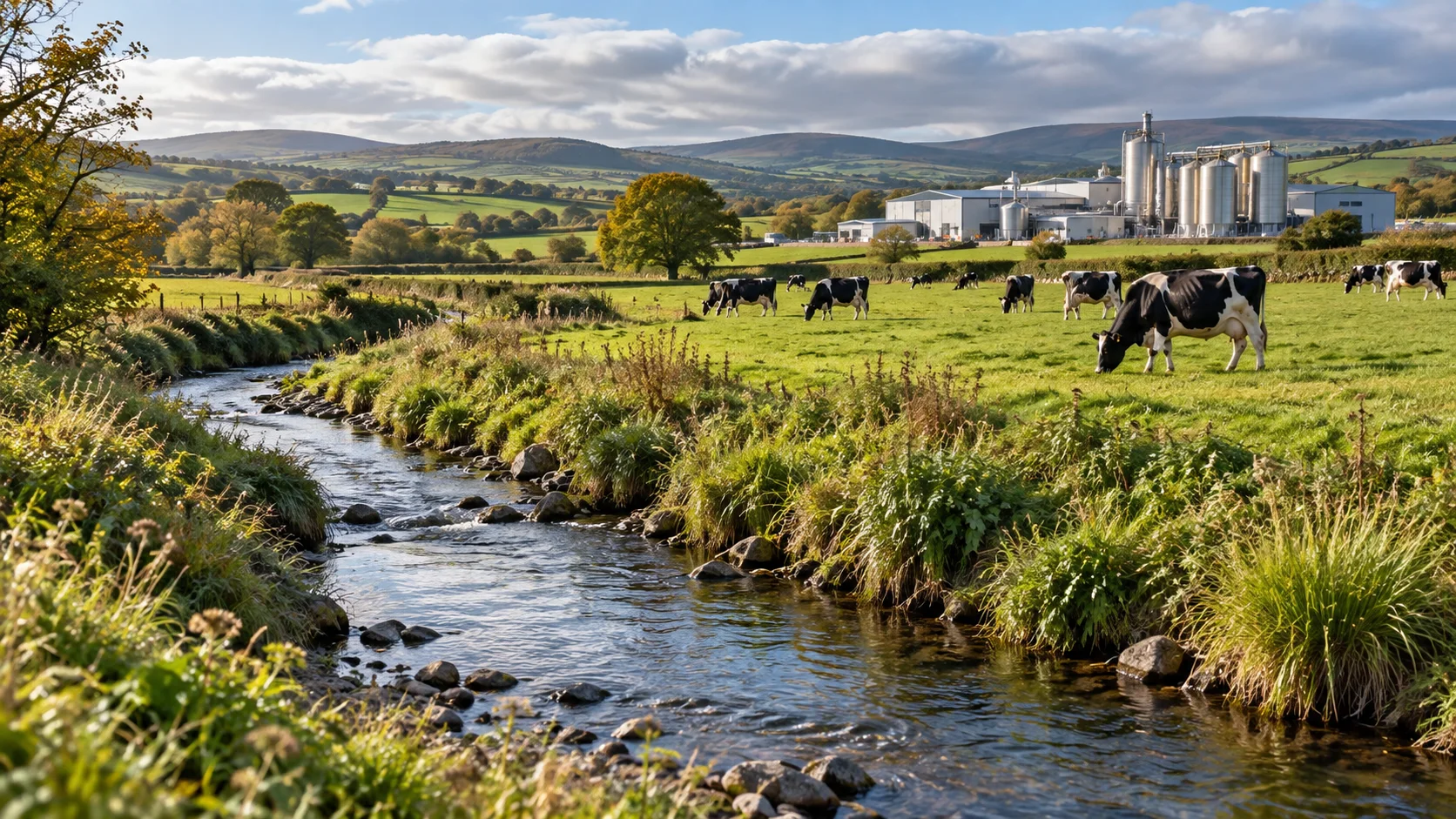
The dairy supply chain connects farm production with processing plants, cold storage, ingredients manufacturing and export markets. Environmental performance and industrial competitiveness arise at different points along that chain. Nutrient losses and agricultural water quality are primarily linked to land-management practices, while a processor also manages energy use, water consumption, cleaning systems, wastewater and manufacturing efficiency. Decisions made on farms can affect the environmental profile of products sold by processors, but the responsibilities and operational measures are not interchangeable.
The 'Farming for Water' initiative cited by the association is an example of coordinated action involving agricultural and environmental interests. Dairy Industry Ireland said the programme had attracted nearly 6,000 farmers and was oversubscribed. Those figures indicate participation demand as reported by the association; they do not by themselves quantify water-quality improvement. Establishing environmental results requires monitoring over time and distinguishing programme effects from changes caused by weather, land use and other policies. Participation is a relevant early measure, but outcome data remain essential.
The Budget measures highlighted for processors include changes to the treatment of certain research and development activity and subcontracted research spending. Such provisions can be relevant to manufacturers developing nutrition products, process improvements or other innovations that require specialist scientific work. Their value will depend on statutory eligibility conditions and the actual qualifying expenditure of each business. An industry statement describing a measure favourably should not be read as a guarantee that all dairy or nutrition firms will benefit to the same degree.
Research in advanced food processing can involve product formulation, process efficiency, shelf-life performance, analytical testing and the integration of new equipment. Companies may collaborate with laboratories, pilot plants or research bodies because many development questions cannot be answered through routine production trials. Changes to the framework for research incentives may influence how that work is financed. Yet regulatory approval, customer acceptance and commercially repeatable production remain separate challenges after any eligible research expenditure has occurred.
Energy costs are another area of concern, particularly in dairy drying and thermal processing. Such operations can require considerable heat as well as electricity, while hygiene and product specifications constrain how processes can be changed. Lower energy-related taxes or other cost measures may affect operating expenditure, but the scale varies between facilities depending on fuel mix, energy efficiency and production volume. Their overall competitiveness will also reflect labour, logistics, market demand, milk supply and capital costs. A balanced analysis needs to consider that full set of factors.
The association's emphasis on water quality and processing competitiveness reflects the connection between farm-level environmental management and export-oriented manufacturing. Many purchasers ask for evidence about the environmental characteristics of supply chains, not merely the performance of a finished product. Processors may therefore seek consistent data from farm suppliers while also reporting their own operational performance. Robust reporting should distinguish actual measured change from targets and planned interventions, and describe both improvements and areas where additional work is needed.
The relationship between environmental measurement and food production is particularly complex because the relevant timescales differ. A plant investment can sometimes produce a relatively rapid, measurable change in process energy use. Water quality across a catchment may respond more gradually, and observed results can be influenced by rainfall and land management beyond any one participating holding. The information needed by export customers may also differ from what is required for regulatory compliance or farm advice. That makes consistent methods and careful attribution important. The industry can describe participation, expenditure and improvements already observed, but those categories should not be merged. In assessing government and industry programmes, readers should look for clear baselines, defined targets and independent or suitably documented measurements. This does not imply that a programme is ineffective where results are still developing. It simply keeps the distinction between activity and demonstrated environmental outcomes visible. Measuring these changes requires care when businesses report environmental performance against different baselines. Independent readers need consistent units, appropriate time periods and clear explanations of methodology before comparing outcomes.
What follows is implementation of the Budget measures and continued evaluation of environmental programmes. Businesses will need official guidance to establish which tax and support provisions apply to them, while environmental claims should be assessed using published monitoring evidence rather than participation numbers alone. The October discussion highlights two related but distinct questions for Irish dairy: how the sector funds and develops competitive processing capacity, and how it demonstrates credible progress on environmental impacts across its wider supply chain.
Key takeaways
- The €21.6 million measure relates to water-quality and biodiversity initiatives, not a direct processing-plant grant.
- Industry endorsement of Budget measures should be attributed and distinguished from verified outcomes.
- Environmental results and commercial benefits require separate measurement over time.