Access to appropriately structured finance can affect the timing of investment in food processing, storage, efficiency and production capacity. A business may identify an equipment upgrade that could reduce energy use or increase output but still face constraints relating to up-front expenditure, cash flow and the payback period. Loan schemes can help address the financing aspect of such decisions. They do not remove the cost of borrowing, guarantee commercial returns or automatically establish that a business meets the scheme's lending and eligibility requirements.
The original programme began in 2023. Government figures accompanying the expansion indicate that approximately 1,972 businesses had been supported by the end of June 2026, with 24% of lending issued to the agriculture and agri-food sector. The data also indicate that a significant share of lending went to businesses outside Dublin. These figures describe previous uptake across the scheme, not new loans being issued under the expanded ceiling. They suggest an established channel for financing, while leaving open questions about how future demand will be distributed between sectors and regions.
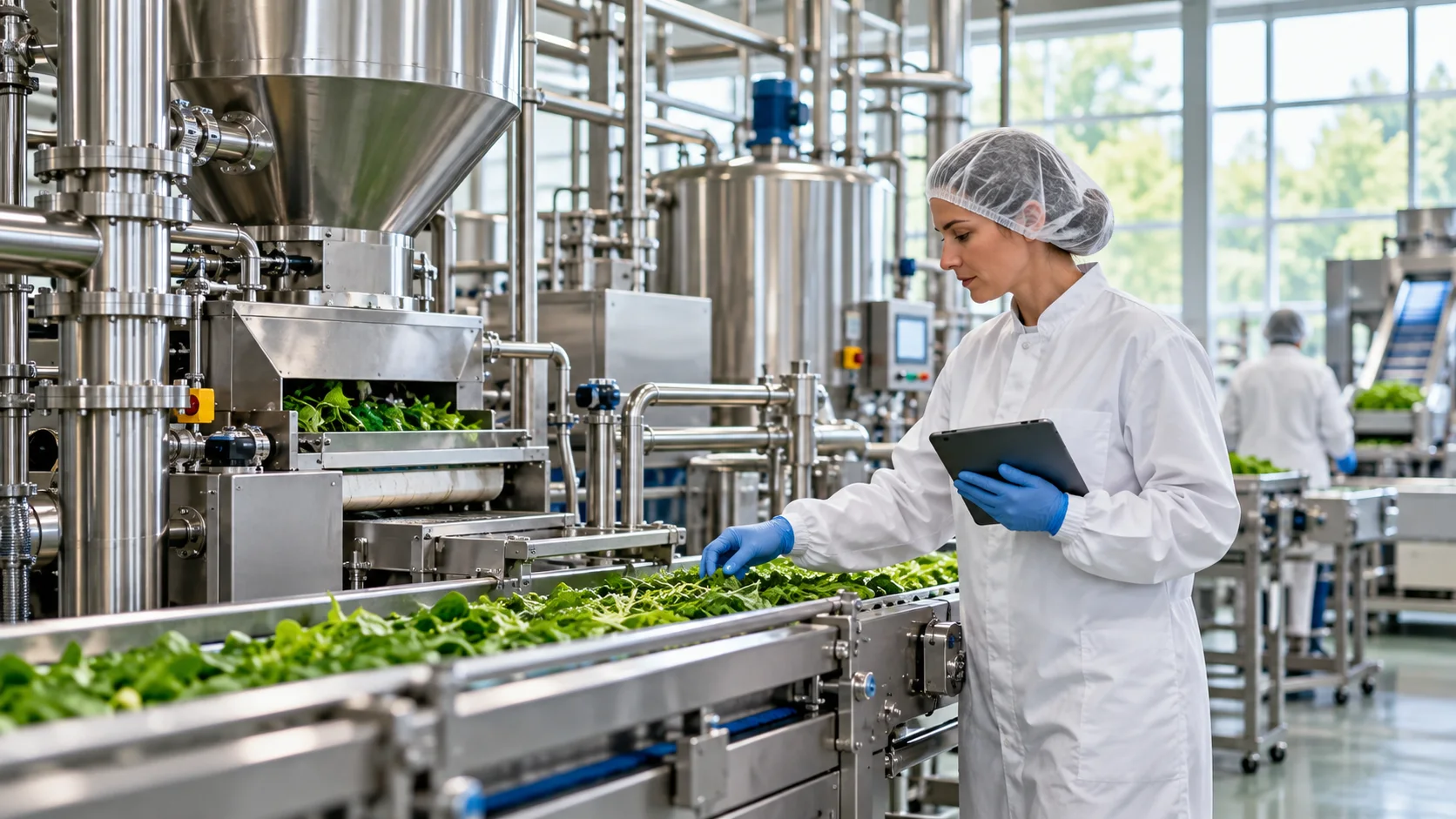
Eligible investment themes include business expansion, digitalisation, research and development, energy efficiency and environmental sustainability. In a food factory, these categories could encompass changes to processing systems, refrigeration, energy management or production technology, provided individual applications satisfy scheme conditions. The feasibility of an investment depends on the plant's existing equipment, product mix, utilisation, labour requirements and expected savings. What looks attractive in one facility may have a different economic outcome in another.
Food-sector investment also has requirements beyond financial affordability. Processing and packaging changes can alter food-safety controls, traceability, cleaning procedures and production scheduling. Any new system must fit within regulatory and customer requirements, and larger plant modifications may need to be coordinated with production shutdowns. Borrowing can provide capital, but the operational case must demonstrate that equipment or process changes can be integrated safely and reliably. These considerations become especially important where business continuity and temperature-controlled operations are involved.
The scheme continues to target at least 30% of lending volume for environmental sustainability purposes. That is a scheme-level target, not a requirement that every borrower allocate 30% of a loan to a green project. It also does not mean that all eligible sustainability proposals will be approved. Participating lenders remain responsible for credit decisions under the applicable rules. Businesses considering applications therefore need to examine permitted uses, loan terms, security requirements, pricing and how the investment would affect their finances.
The extension to 2029 may be relevant for investment planning because food businesses often work with multi-year equipment and supply contracts. Nevertheless, the existence of a longer application window should not be interpreted as a promise of unlimited access to finance. The remaining capacity, conditions and interest rates can change over time. It is also useful to distinguish financing support from separate environmental standards or customer expectations. A loan can help pay for a response to those requirements, but it does not itself establish compliance or demonstrate lower emissions.
There is a further distinction between financing an asset and establishing its usefulness. A new production line, freezer or energy system may reduce an identifiable bottleneck, but the business will still need to assess capacity utilisation, maintenance, training and the effect on working capital. Environmental projects present comparable challenges. A process change may reduce energy per unit while total energy use rises because production expands, making the choice of performance indicator important. Businesses will also need to understand whether the advertised financing terms apply to their specific project and circumstances. Comparisons with conventional lending should account for interest rates, fees, security, term length and any additional obligations attached to green investment.
Publicly reported uptake is valuable, but it does not establish whether all participating projects achieved their planned returns. Evaluating the scheme over time will require a combination of access data, sector distribution and credible measures of completed business investment.
The near-term question for the sector is how lending is allocated and what projects proceed. Published programme information, participating bank terms and later uptake reports will provide a clearer picture than the headline commitment alone. The October announcement expands a route through which eligible businesses may finance investment. Its eventual effect on food manufacturing will depend on borrower decisions, the quality of projects and the results achieved after the funds have been committed.