On 16 September 2026, the Government approved MetroLink proceeding to the detailed tender stage. The project organisation stated that market bids would be sought and partners selected for construction and operation, with significant enabling works expected to begin early in 2027. The decision moves a long-planned transport proposal further into procurement, but it is not the same as awarding the main construction contracts or opening the railway to passengers. Its immediate significance lies in the next steps through which scope, delivery responsibilities and commercial commitments are tested with the market.
Major rail projects require more than track and stations. They involve civil engineering, tunnels, structural works, utilities, systems integration, rolling stock, signalling, power, safety arrangements and operating requirements. They must also be delivered within an existing city where roads, services, buildings and businesses continue to function. The procurement process therefore has to evaluate technical solutions and the capacity of potential contractors or consortia to manage complicated interfaces across multiple packages over several years.
Detailed tendering is the stage at which suppliers respond to defined requirements and the project sponsor evaluates proposals. Depending on the packaging and contract model, bids may be assessed against cost, technical capability, risk allocation, delivery methodology and other published criteria. Approval to proceed does not establish that the final prices, construction timetable or contractual risks have been settled. These are among the matters that the tender process is designed to clarify. Later contract awards will provide stronger evidence about the project's commercial delivery framework.
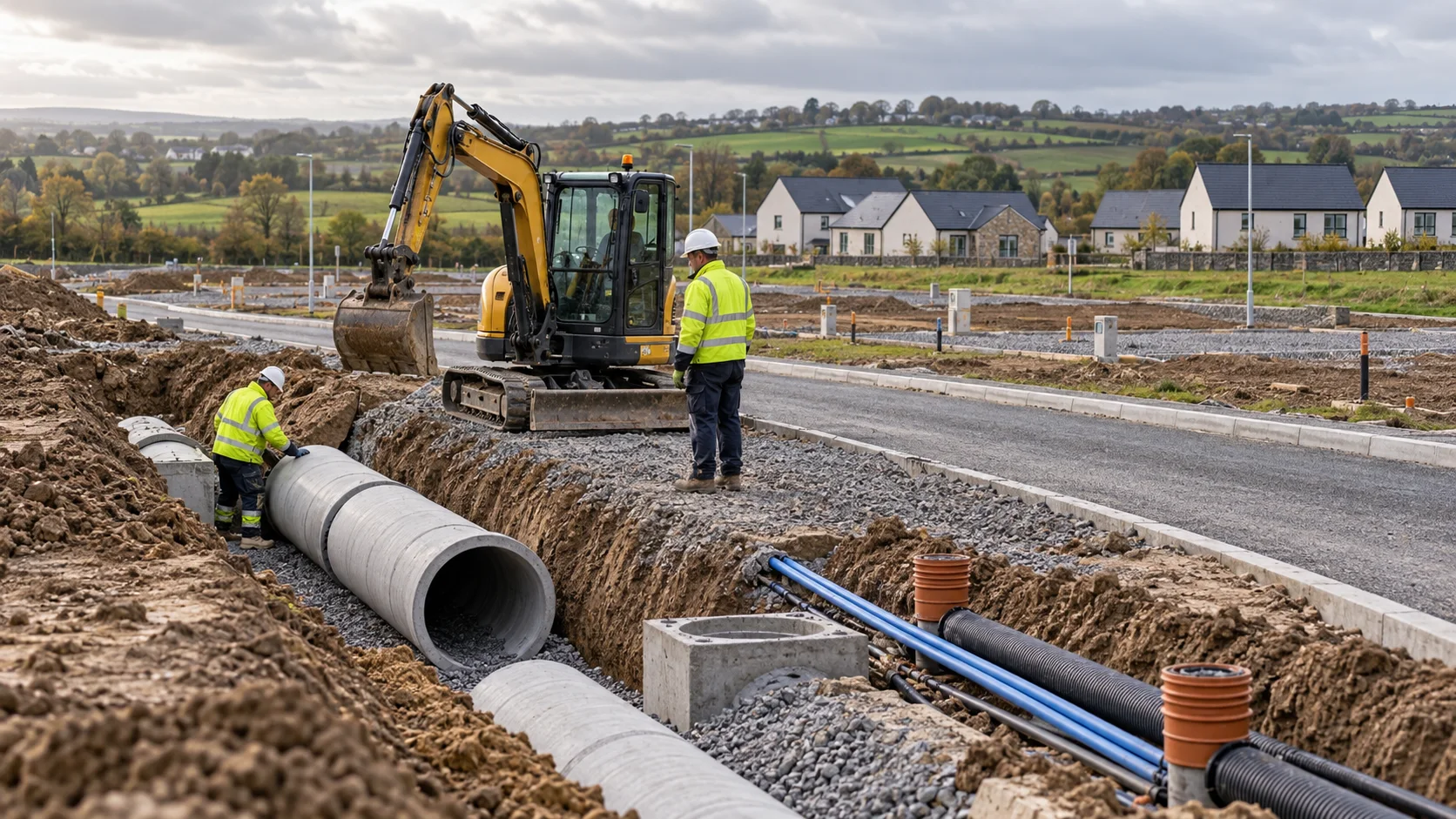
The statement refers to enabling works starting from early the following year. Such works can include preparing sites, managing services, surveys, utility diversions or other activities necessary ahead of major construction. They are often important because unexpected conditions discovered at an early stage can affect subsequent programmes. However, the exact work packages should be confirmed through project procurement documents rather than inferred from general industry practice. Enabling works can begin while other elements of a large project are still going through procurement.
For civil engineering and construction companies, MetroLink creates a potential chain of opportunities extending beyond the principal contractors. Design specialists, ground engineering companies, plant providers, materials suppliers, environmental consultants and logistics firms may be required at different points. Yet the existence of a major project does not mean that all firms are automatically eligible to tender directly. The programme has introduced an eSourcing portal for direct procurement and outlines separate arrangements for subcontracting visibility and notices through eTenders.
Risk management will be a central part of delivery. Underground projects can be influenced by ground conditions, adjacent structures, utility interfaces, disposal of excavated material and coordination between civil and rail-system works. Public disruption and environmental conditions must also be managed. These risks do not necessarily imply that a particular programme will overrun or exceed budget; they are routine factors that bidders and project managers need to assess. How responsibility for them is allocated can influence competition, pricing and programme flexibility.
The project is also discussed in connection with regional transport capacity and housing development. Improved public transport can change access to employment and services and may support development around stations. But those effects depend on land use decisions, connecting transport options, actual service delivery and wider economic conditions. Benefits should be distinguished from assumptions that a new transport line will, by itself, produce a specified number of homes or resolve all congestion. Assessment requires evidence from the completed network and associated planning.
Procurement transparency is another practical issue for businesses hoping to participate, including specialist providers seeking information on realistic opportunities and expected qualification requirements. A headline project budget does not show which services are required in a particular contract or when tenders will be released. Suppliers should distinguish notices for major direct contracts from opportunities likely to arise through appointed contractors. Many firms will engage as specialist subcontractors rather than members of the main delivery consortium. The relevant preparation can include demonstrating technical competence, safety standards, relevant project experience and sufficient financial and operational capacity. Those conditions are not unique to MetroLink, but the scale of the programme can make the selection process particularly demanding. From an observer's perspective, the key test is not simply how many companies express interest. It is whether procurement produces capable delivery teams, commercially workable responsibilities and a credible path from early works to a safely operating railway.
The most relevant next milestones are the issue and evaluation of detailed tenders, selection of delivery partners, contract awards and the progress of enabling works. Official procurement material will offer more precise information on packages and opportunities than general announcements. The September decision is a meaningful change in project status, but the largest practical questions remain ahead. For Ireland's construction sector, the case provides a clear illustration of how a major infrastructure programme progresses from political approval towards contracted delivery.